
...solve thorny business challenges in the time it takes to drink a cup of tea
Fail to grow your people and you’ll fail to grow your business...

©Magnific
Measuring and monitoring your business basics – sales, gross profit, net profit, productivity, and cash flow – makes perfect sense.
However, many business leaders invest surprisingly little time improving the knowledge, skills, habits, and mindsets of the people responsible for creating those numbers. They simply focus on getting work done.
Doesn’t it make better sense to improve the inputs – team capabilities – rather than just agreeing on the jobs and monitoring the outputs?
Clearly, if you don’t improve your people, you’re unlikely to improve your results. Businesses only grow when people grow.
Common sense and a good deal of research show that leaders who invest consistently in people development often create stronger customer experiences, better decision making, and more sustainable long-term results.
Businesses become more capable, more resilient, and more successful when people become more capable. Of course!
WD-40 sets the standard...
Garry Ridge, the former CEO of WD-40 Company, built a remarkable culture around a simple belief: People need to know that they matter.
Not occasionally.
Consistently.
And it worked.
Under Garry’s leadership, revenues almost trebled (after inflation) and the capital value of WD-40 increase by approximately 500%.
Garry Ridge proved that results follow when:
- Your people know that their contribution counts
- Someone regularly notices their efforts
- Your people know that their future matters
Regular performance reviews and development conversations are one of the most practical ways of delivering that message. How much effort do you put into making performance reviews work well in your business?
©google images
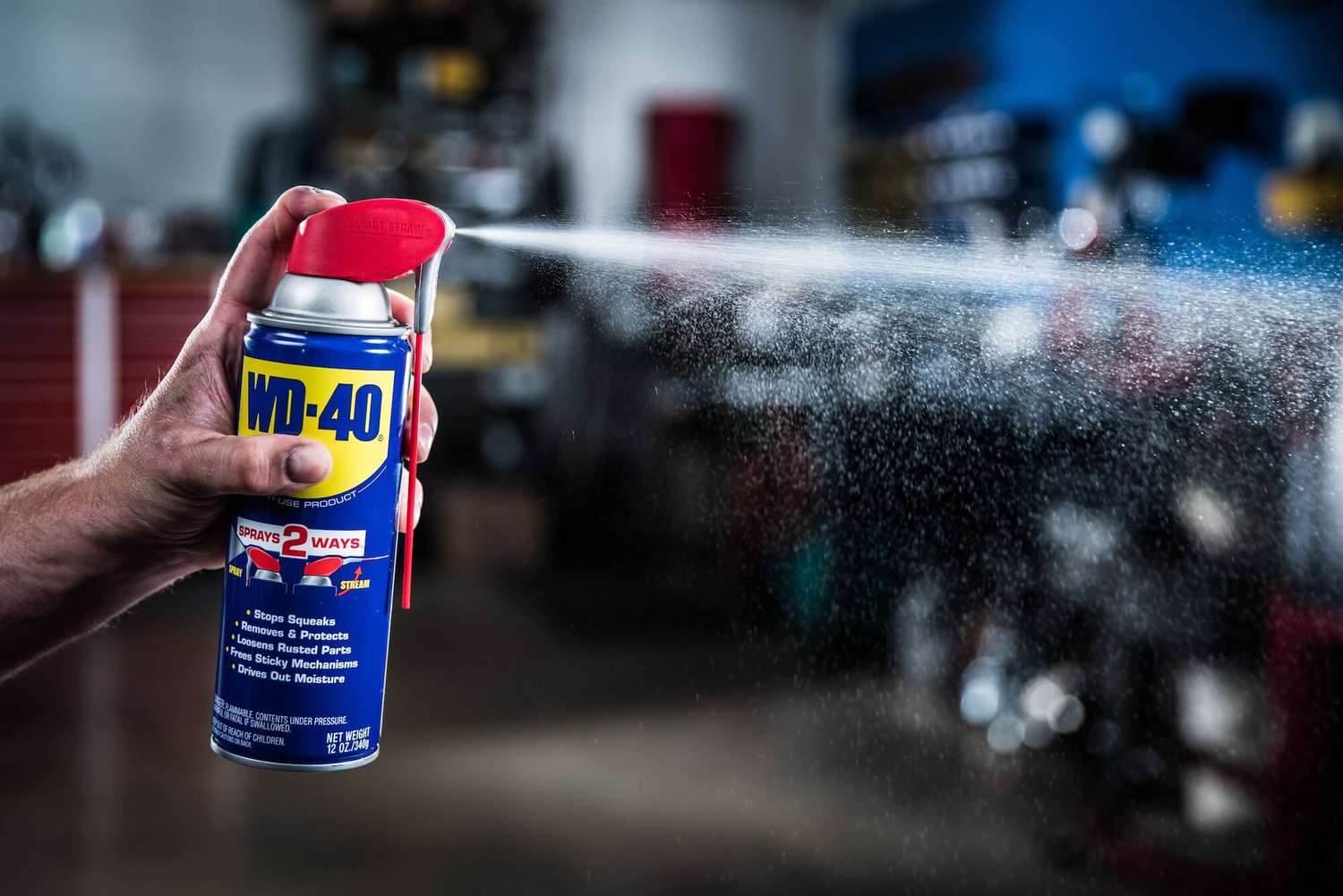
WD-40 became famous for far more than its multi-use, petroleum-based solvent and water-displacing spray.
Under Garry Ridge, it became recognised as a business built around people improvements.
Ridge challenged leaders to rethink what leadership means. Leaders should coach, rather than control, their people.
Rather than catching people out, leaders can help people improve. Rather than creating fear, leaders can help build self-confidence.
One of Ridge's most memorable ideas:

"
“The tougher it gets, the more you need your growth mindset in the driving seat – not the limiting, fixed one.”
Garry Ridge - Any Dumb-Ass Can Do It
Many businesses talk about mistakes. WD-40 encouraged people to talk about learning moments. This is a simple language modification that can positively change behaviour, culture, and results.
The parallel with Microsoft is striking. Satya Nadella took over a fading Microsoft in 2014. Nadella treated culture as the main change lever, and his teams also had ‘learning moments’. His version simply operated on a far larger scale.
Whether you run a small or large business, focusing on learning moments rather than on mistakes means people are more willing to discuss problems, seek feedback, and aspire to improve. Better results follow.
Arguably Toyota is also worthy of notice here because the lean improvement culture of the Toyota Production System put people and process improvement at the core of every aspect of their business.
A single powerful question from WD-40 makes this practical…
One of Ridge's best-known leadership questions is ‘what have we learned?’
When results fell short of expectations, leaders were encouraged to discuss lessons learned rather than to simply assign blame. This practice helped create psychological safety and, at the same time, stronger accountability. It also triggered a solutions approach from everyone involved.
For performance reviews, the implication is significant.
Employees are often far more willing to discuss challenges openly when they know the conversation is focused on learning and future improvement rather than on criticism.
This approach does not lower standards. It often raises them.
Learning moments, not mistakes…
One of the biggest barriers to improvement is fear. Some employees avoid difficult conversations because they fear criticism. Others hide problems because they fear being judged. Some avoid making improvements because they might go wrong.
A learning mindset changes that.
When performance reviews focus on lessons rather than on blame, employees become more willing to discuss challenges honestly.
Honest conversations lead to better decisions. Better decisions lead to stronger performance.
Gallup research has consistently shown that employees who receive regular/weekly meaningful feedback are significantly more engaged than those who receive little or no feedback. Higher engagement is associated with stronger productivity, improved customer service, positive wellbeing, and employee retention.
Research into employee retention repeatedly highlights development opportunities, career growth, and the quality of day-to-day management as major reasons people choose to remain with an employer.
While salary will always play a role, people also want to see a future for themselves, to understand how they can progress, and to feel confident that somebody is taking an active interest in their development.
Businesses that consistently invest time in helping people learn and improve are often the same businesses that experience stronger retention and have a more stable workforce.
Extensive Gallup research into engagement continues to point towards the importance of feedback, recognition, and quality management:
- Employees who understand expectations generally perform better
- Employees who receive support generally develop faster
- Employees who feel recognised generally stay longer
Strong performance reviews support all three outcomes.
Keep your review process simple. Meet regularly. Listen carefully. Ask thoughtful questions. Follow through consistently.
How do you feel about performance reviews?
Does anyone really relish the idea of appraisals or performance reviews?
Generally, no.
And this is because appraisals are often seen as being ineffective.
And when appraisals are ineffective, it’s generally because they aren’t taken seriously enough by leaders and managers. And, as a result, your people don’t take them seriously either.
Employees know they’re not taken seriously when:
- The diary time for reviews gets moved because of other pressing issues
- The actions agreed in the review are never referred to again after the review
- Training needs and other commitments fail to be delivered
Have you experienced any of these? Are you guilty of any of these?
What happens when employees give up on performance reviews and view them with scepticism or cynicism?
It can’t be good for your business.
Every appraisal sends a message…
The question is, what message are you sending?
When reviews are cancelled repeatedly, employees hear that their progress is not important.
When managers rush the conversation, employees hear that the exercise is a formality.
When actions are agreed but not delivered, employees hear that commitments do not really matter.
However, when leaders prepare carefully, listen attentively, and follow through consistently, employees hear something completely different.
They hear that their growth and future matter.
Performance reviews should not be paperwork exercises. They should be leadership conversations. Done well, they create clarity, accountability, trust, development, and engagement. Most importantly, when you help them improve, people know that they matter.
Why feeling that you matter changes everything…
Many leaders understandably focus on targets, productivity, and profitability. However, one of the most overlooked drivers of performance is whether people genuinely believe they matter to the business.
When individuals feel valued and respected, they are often more willing to engage fully with their work, to contribute ideas, and to support the success of those around them.
When that sense of value is missing, enthusiasm and commitment can begin to fade, even amongst capable and experienced employees.
Many leaders assume employees are motivated primarily by money, yet experience repeatedly shows that motivation is influenced by a far broader combination of factors, including recognition, achievement, meaningful work, development opportunities, and the quality of leadership they experience every day.
Pay matters, of course.
However, most people also want recognition, progress, challenge, learning, and purpose.
They want to feel seen, heard and valued.


"
“As leaders, you don't just manage activity; you are responsible for creating an environment where your people succeed. Performance reviews provide dedicated time for that work”
Marc Effron and Miriam Ort - One Page Talent Management
STOP treating annual or bi-annual or quarterly appraisals as a necessary evil.
START by seeing appraisals as a critical moment of opportunity for each of your team members to improve, creating the conditions for your business to grow and succeed as well.
Talent versus development...
Many businesses accidentally behave as though ability is fixed.
Some people are labelled stars, others average, some future leaders.
Once these fixed labels appear, development can slow down.
The strongest businesses think differently because they recognise that potential is rarely fixed and that, with the right support, coaching, and opportunities, people are capable of achieving significantly more than they may initially believe.
It pays to assume improvement is possible.
Skills can be developed, confidence increased, leadership skills strengthened, and communication improved.
The purpose of a review therefore extends far beyond evaluating the past. The most valuable question is often not, 'what did you achieve?' but 'what could you achieve next?'
Leaders and managers are the key...
Many businesses spend months designing forms, processes, and appraisal documentation, yet far fewer invest sufficient time helping managers develop the listening, coaching, and questioning skills required to conduct genuinely valuable performance conversations.
Yet it is the conversation that creates value.
A strong review explores achievements, challenges, aspirations, learning opportunities, and future priorities.
- Employees leave with clarity
- Managers leave with understanding
- Both leave with agreed actions and commitment
Grow your people

@magnific
The objective of a review is not to catch somebody out. The objective is to help somebody move forward.
Discuss strengths, achievements, obstacles, opportunities, ambitions, and development.
The strongest reviews leave people feeling clearer, more confident, and more motivated.
Keep it simple...
A successful performance review balances complexity and value.
“…removing complexity from a talent process helps to ensure that the manager uses it, adding value helps ensure he or she uses it the right way.”
– Effron and Ort
Make performance reviews work beneficially for you…
Marc Effron and Miriam Ort have both invested a lifetime in the science of talent management. They have worked with and advised household names such as Avon Products, IBM, American Express, and more.
Their experience and the science they have uncovered boils down to this: only implementation matters. Effron and Ort have proved that complexity is the enemy of implementation.
“By eliminating complexity and adding value, we help convince managers that these simple, easy-to-use practices will help them manage better with less effort.”
Why your best people need feedback as well…
One of the biggest myths about appraisals is that they exist mainly for poor performers.
The opposite is often true.
Your best people frequently value development conversations the most.
High performers generally want challenge. They want opportunities to be stretched and to grow.
Ignore them for too long and somebody else may offer those opportunities. Performance reviews help demonstrate that talented people have a future in your business.
Belonging, retention, and performance…
Research from Gallup and BetterUp consistently shows that people are more likely to remain with businesses where they feel connected, respected, and included. A strong sense of belonging does not emerge by accident. It develops through regular communication, genuine interest from leaders, and confidence that an individual's contribution is recognised and appreciated.
People rarely leave great employers for a tiny difference in salary alone. More commonly, they leave because they feel overlooked, unsupported, or disconnected.
Belonging matters because people who feel connected to their team, their manager, and the wider purpose of the business are generally more engaged, more resilient, and more likely to stay.
Regular performance review conversations can strengthen belonging because they signal that the individual matters.
When does it really matter?
Performance reviews are valuable during good times, but they often become even more important during periods of uncertainty, change, or challenge. When priorities shift, results fall below expectations, or teams experience pressure, people naturally look to leaders for clarity and direction. Structured conversations provide an opportunity to address concerns, reinforce expectations, and maintain confidence.
Stack the odds in your favour...

1. Schedule review meetings well in advance
a. Protect the time
b. Prepare properly
2. Encourage genuine dialogue
a. Agree clear actions
b. Follow through
c. Allocate diary time
3. Celebrate progress
4. Maintain regular check-ins
These small disciplines often produce significant long-term gains. Why not test this process with one or two team members and see how well it works before involving more people across your business?
Start quickly with 4 helping hands here or read on for the full Business Breakthrough. Use your device's back arrow to return to this point.
TIME TO DISAGREE
“I can’t really see the point of formal appraisals in a small team. We all know each other well, and we don’t even have anywhere suitable to hold them.”
In a small team, everyone matters. Everyone’s performance has a direct impact on the business, so people need to know what they’re doing well, where they can improve, and what’s expected of them.
Regular performance reviews create valuable space for open and constructive conversations. They recognise good performance, support development, and establish clear next steps for continued growth.
And don’t let the lack of a meeting room stop you. A café, hotel, or hired room can work just as well. Sometimes a change of setting can make the conversation even more constructive.
It’s not about where you hold the appraisal. It’s about making time to help your people perform and grow.
“I’m a novice at this. I’ve never really done appraisals before, so I’m not sure how to make them work.”
You’re not alone. Few managers are actually trained to run good appraisals, so don’t be afraid to say you’re learning. Your people will respect you for being honest and for taking their development seriously.
Use an appraisal or performance review form as your agenda. It gives you structure and makes sure you cover the important things.
And give yourself enough time. Don’t rush through several appraisals just to tick them off the list. A rushed conversation won’t deliver much value.
The aim isn’t simply to complete an appraisal. It’s to help someone perform better.
ULTIMATE ARGUMENT:
“How will I know our new performance review process actually works and delivers results for my business?”
You’ll know because the conversations will change.
Instead of your best people approaching reviews with scepticism, anxiety, or a sense that they’re simply another box to tick, they’ll see them as useful conversations about their performance, development, and future.
You’ll have more positive, energising conversations with the people who are performing well, and more honest, constructive conversations with those who need to improve.
That’s when you know your performance review process is working.
Less box-ticking. Better conversations. Better performance. Better results.
4 helping hands to get you started…
1
Make your people feel that they matter:
Take a genuine interest in their development and future. Ask them what they want to achieve and how you can help them get there. People are more likely to perform well when they know their contribution is valued. Try never to re-schedule a review/appraisal meeting.
2
Create an environment for regular conversations:
Support annual reviews with monthly or quarterly check-ins. Don’t wait twelve months to talk about progress, challenges, or development. Small, regular conversations keep people focused and ensure that small issues don’t become bigger problems. Gallup and other research points to weekly feedback to sponsor improvements, not as a means of control.
3
Coach more, judge less:
Focus on growth, learning, and solutions. Ask questions before giving answers and help people work out what they could do differently. The goal is small improvements followed by better performance, not simply pointing out what went wrong.
4
Always follow through:
Trust grows when promises become actions. If you agree to provide support, training, or an opportunity, make it happen. Consistent follow-through shows your people that their development really matters.
Want to know more?
Any Dumb-ass Can Do It
Garry Ridge
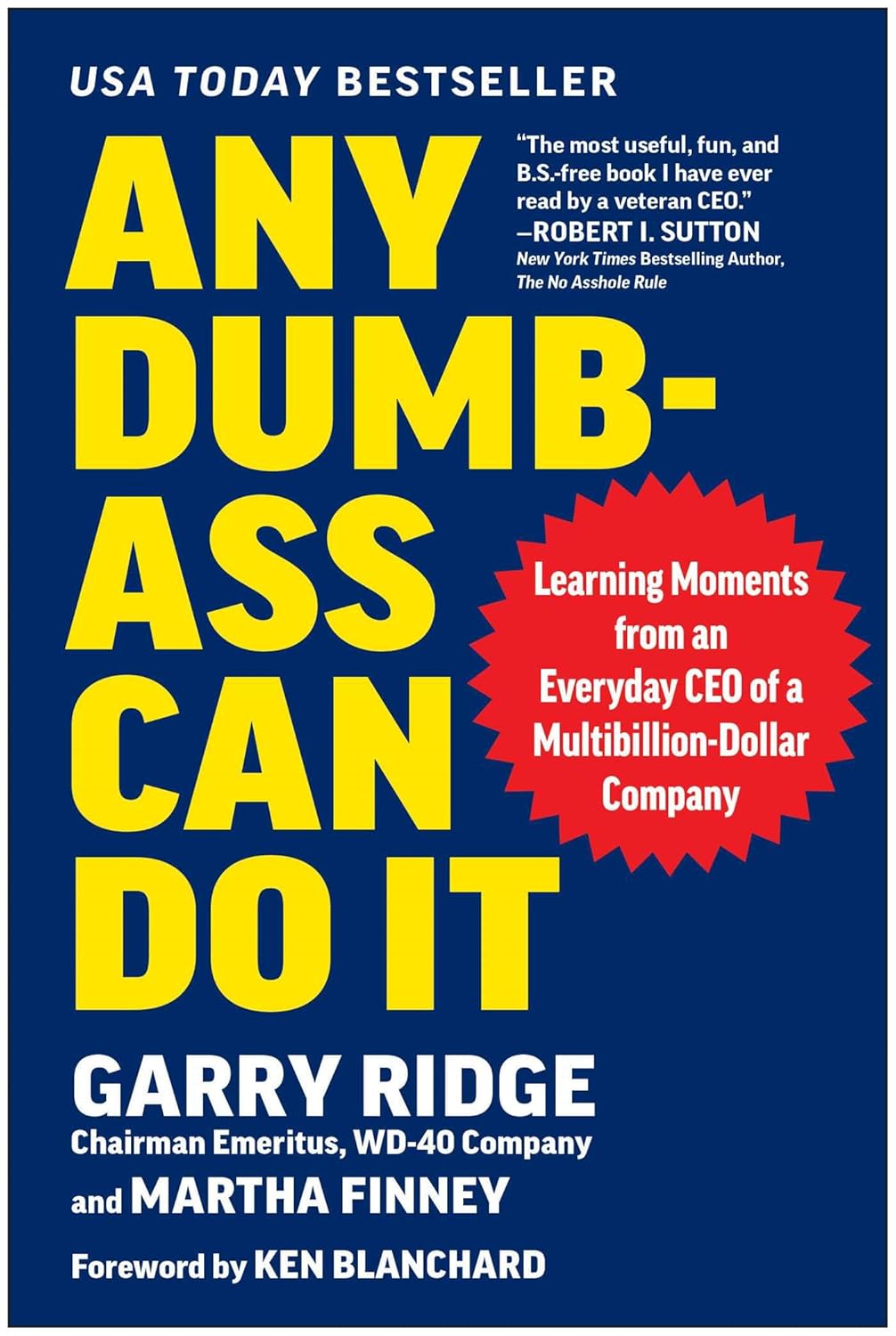
A refreshing and very human look at leadership, built around the everyday ‘learning moments’ that shape how we lead and how our teams work. Garry Ridge shares practical lessons from his time leading WD-40 Company, with a strong emphasis on trust, psychological safety, continuous learning, and helping people thrive. A great reminder that developing your people doesn’t need to be complicated, but it does need to happen regularly.
One Page Talent Management
Marc Effron and Miriam Ort
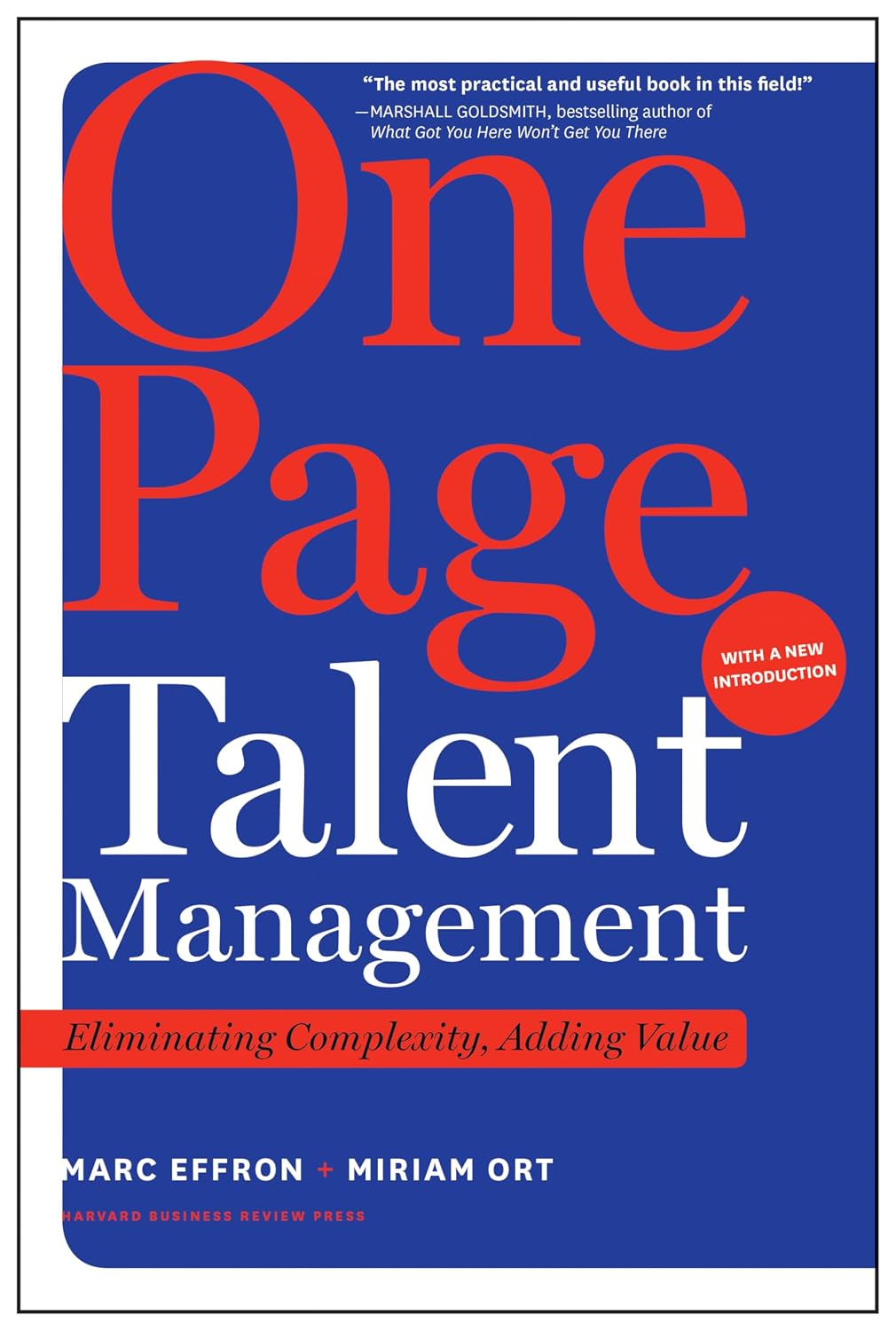
This book challenges the tendency to make people development more complicated than it needs to be. Effron and Ort provide a simple, practical approach to performance and talent management, focusing on the activities that actually make a difference rather than on processes that simply create more work.
Their approach is a useful reminder that good people development should be simple enough for managers to actually use and effective enough to improve business results.
YOUR SUPPORT TOOLS ARE HERE:
Follow the link below for a set of practical tools to help you
make the most of regular, simple, and valuable check-ins with your people.
Find the support tools to help you